
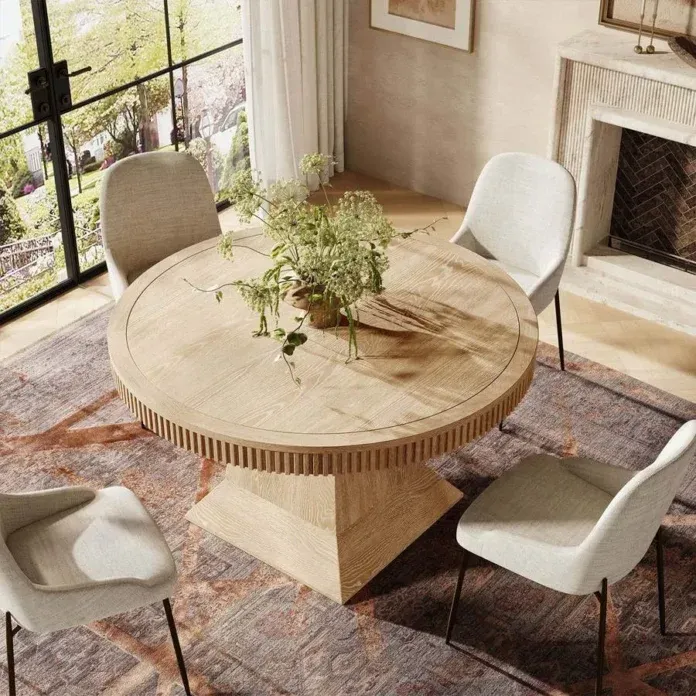
Most homes do not need dramatic renovations or expensive redesigns to feel better. A lot of comfort comes from small practical changes that people usually overlook because they look too simple to matter. Over time, these small adjustments end up changing how a home actually feels during real daily use. homeleon.net focuses on realistic home improvement ideas that prioritize comfort, function, and ease of living instead of chasing perfect-looking spaces that are hard to maintain in real life.
Spaces Feel Less Crowded
Rooms often feel uncomfortable when too many items exist without a clear purpose or place. It builds slowly, almost unnoticed, until walking through the room starts feeling slightly annoying every day.
Reducing visual clutter usually helps more than adding new decorations. Even removing one unused chair or side table can open up movement and make cleaning easier without any cost involved.
Furniture placement also affects how crowded a room feels. When everything sits against walls without balance, the space can feel oddly stiff. A slightly adjusted layout often improves flow in a way that feels more natural.
Wall colors play a role too. Softer tones reflect more light and reduce heaviness in smaller rooms. Darker shades can look nice, but they sometimes make spaces feel more enclosed than expected.
A comfortable room should feel easy to move through without constantly adjusting your path around objects.
Lighting Shapes Daily Comfort
Lighting affects mood in ways people notice only when something feels off. A room can look fine during the day but feel completely different at night depending on how it is lit.
Warm lighting generally creates a more relaxed environment compared to harsh white bulbs. It feels easier on the eyes, especially in the evening when people are winding down after a long day.
Using only one ceiling light often makes rooms feel flat and slightly uncomfortable. Adding smaller light sources like lamps creates depth and softness that changes the entire atmosphere.
Natural daylight is still the best source of light for most homes. Heavy curtains that block sunlight all day can make spaces feel smaller and less active than they actually are.
Even small lighting changes can shift how a home feels without touching any major design element.
Kitchen Use Should Feel Smooth
Kitchens become stressful when daily movement feels interrupted by clutter or poorly placed items. It is not about how modern the kitchen looks, but how easily someone can cook and clean inside it.
Keeping counters mostly clear helps reduce mental load. Too many visible appliances make even large kitchens feel smaller and more chaotic than they need to be.
Storage layout matters a lot more than decoration. Items used every day should be easy to reach without digging through multiple layers of cabinets or drawers.
Ventilation is another thing people often ignore until it becomes uncomfortable. Without proper airflow, cooking smells stay longer and the kitchen feels heavier overall.
Simple improvements like better lighting over work areas or adding small organizers inside drawers often make a noticeable difference in daily routine.
A good kitchen feels effortless to use, not visually perfect.
Bedrooms Should Stay Calm
Bedrooms work best when they feel quiet and simple. When too many things gather inside, the space starts feeling mentally busy even when nothing is happening.
A comfortable bed setup matters more than decorative pillows or trendy furniture pieces. Sleep quality is influenced more by comfort than appearance.
Lighting should stay soft and easy on the eyes. Bright overhead lights can feel too strong in a room meant for rest and recovery.
Clutter also affects how relaxed a bedroom feels. Clothes on chairs or random items on surfaces slowly add visual pressure that makes the room less calming.
Neutral colors usually help maintain a more peaceful feeling over time. Loud colors can be interesting at first, but they sometimes feel tiring when used heavily in sleeping areas.
A bedroom should feel like a break from everything else in the home.
Bathrooms Need Simple Function
Bathrooms become frustrating quickly when small issues are ignored, especially related to moisture, storage, and lighting.
Humidity is one of the biggest problems in many homes. Without proper ventilation, mirrors fog up easily and surfaces start feeling damp longer than they should.
Storage should stay practical and easy to access. When daily items are scattered, even a clean bathroom can feel messy very quickly.
Lighting near mirrors should be balanced. Too bright feels harsh, too dim makes daily grooming harder than necessary. A middle ground usually works best.
Small improvements like better towel placement, organized shelves, and proper airflow can make bathrooms feel more comfortable without major changes.
Bathrooms work best when everything has a simple and clear purpose.
Furniture Should Fit Real Use
Furniture is often chosen for appearance first, comfort second. That usually leads to regret later when daily use feels less comfortable than expected.
Sofas should support the body properly instead of just looking stylish. If seating feels uncomfortable after a short time, it affects relaxation in the entire room.
Dining chairs also matter more than people think. Poor seating can make even simple meals feel less enjoyable over time.
Furniture that fits room size properly helps avoid overcrowding. Large pieces in small rooms reduce movement space and make cleaning more difficult.
Multi-use furniture works well in smaller homes. Storage inside seating or tables helps reduce clutter without adding extra items.
Comfort should always matter more than appearance when choosing pieces used every day.
Storage Should Stay Easy
Storage systems fail when they become too complicated. If organizing something takes too much effort, it usually stops being used properly after a short time.
Simple hooks, baskets, and shelves often work better than complex systems that require constant adjustment. People naturally follow easier habits.
Vertical storage is useful because it uses space that often goes unused. Walls can hold more than people realize when arranged properly.
Keeping seasonal items separate also helps reduce clutter. When everything mixes together, finding daily essentials becomes more frustrating.
Storage should support real habits, not force new ones that are hard to maintain.
A simple system usually stays effective for years without needing changes.
Outdoor Areas Can Feel Useful
Outdoor spaces often get ignored, but even small areas can become useful with basic improvements.
Comfortable seating makes a big difference. If sitting outside feels uncomfortable, people simply stop using the space altogether.
Shade is important during hot weather. Without it, outdoor areas remain unused for most of the year.
Plants can improve the feeling of outdoor spaces without requiring complex design work. Even a few pots can make the area feel more natural.
Lighting outside helps extend usable time into the evening. Soft lighting works better than strong bright lights that feel harsh.
Outdoor areas do not need perfection. They just need to feel comfortable enough to use.
Air Quality Matters More Than Expected
Indoor air quality affects comfort in ways people do not always notice immediately. Over time, dust and stale air can make a home feel less fresh.
Opening windows regularly helps improve airflow. Fresh air naturally reduces heaviness inside closed spaces.
Air purifiers can help in areas with dust or pollution. Cleaner air often improves sleep and general comfort.
Humidity levels also matter. Too much moisture causes discomfort, while too little can make the air feel dry and unpleasant.
Regular cleaning supports better air quality as well. Dust builds up slowly, especially in fabrics and corners that are not cleaned often.
Cleaner air makes the entire home feel lighter and more comfortable.
Maintenance Keeps Things Stable
Home comfort depends heavily on small maintenance tasks that are often delayed. Over time, small issues become bigger problems if ignored.
Leaks, loose fittings, and worn seals may seem minor at first but usually grow into more expensive repairs later.
Heating and cooling systems also need regular attention. Dirty filters reduce efficiency and affect air quality inside the home.
Windows and doors should stay properly sealed. Even small gaps can affect temperature control and energy use.
Regular maintenance prevents sudden problems and keeps the home comfortable throughout the year.
Comfort Comes From Simplicity
A comfortable home does not come from perfect design or expensive upgrades. It comes from practical choices that make daily life easier without unnecessary effort.
Small improvements build up over time. Better lighting, simple storage, comfortable furniture, and clean layouts all work together quietly.
Homes feel better when they support real life instead of trying to look perfect all the time.
Comfort grows from consistency, not complexity.
For more practical home improvement ideas, visit HomeLeon for simple guidance that helps make everyday living more comfortable and realistic without unnecessary complications.
Read also :-