
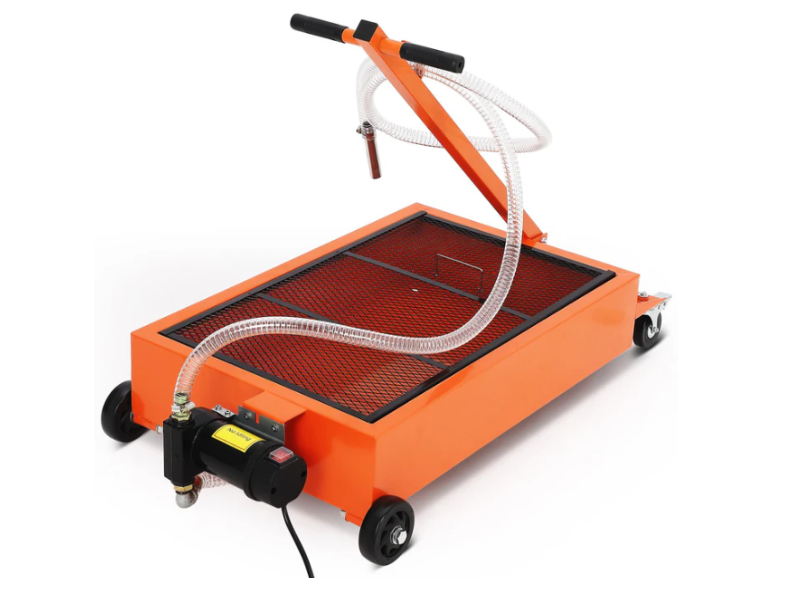
Whether you maintain a home garage, a farm vehicle, or a busy repair workspace, the tools you choose affect far more than convenience. The right Oil Drain Pan and a reliable Fuel Caddy can make routine service cleaner, faster, and safer from start to finish. Instead of dealing with messy spills, awkward containers, or time-consuming transfers, you can create a workflow that protects your floor, improves handling, and reduces waste. That matters for professionals who work on multiple vehicles a day, but it also matters for DIY users who want better control during maintenance. From capacity and pump options to mobility and storage, choosing the right setup is less about buying the biggest unit and more about matching features to the job. This guide explains what to look for, how these tools differ, and how to choose with confidence.
Why the Right Oil Drain Pan Matters in Any Workspace
Waste-oil collection sounds simple until you deal with splashing, uneven lifting points, or a container that is too small for the job. A good drain system keeps service organized and helps reduce cleanup time after every oil change.
If you are comparing options, GARVEE’s Oil Drain Pan collection shows how varied this category can be, with differences in height, tank size, pump style, and mobility.
A well-designed unit usually helps in five practical ways:
-
It catches used oil more efficiently during draining
-
It reduces the chance of spills on shop floors
-
It makes transport and disposal easier
-
It saves time when servicing trucks, SUVs, and equipment
-
It supports a cleaner and more professional work area
For many users, the biggest improvement comes from better positioning. Low-profile models are useful when working with vehicles that do not sit high off the ground. Taller rolling units can be more convenient in workshops where lifts are already available. The right choice depends on your typical vehicle height, how often you perform changes, and whether you need built-in pumping support.
Another factor is volume. Small-capacity units may be enough for occasional passenger-car maintenance, but they become inefficient when handling larger engines or repeated jobs back to back. In product collections like this one, you will often see capacities ranging from compact sizes to larger shop-ready tanks. That range matters because one oversized unit may be less practical for tight garages, while a smaller one may require too many emptying trips in a commercial setting.
Key Features That Separate Average Units From Better Ones
Not every drain setup performs the same way. The best choices are usually the ones that balance everyday usability with safe handling.
1. Capacity that fits your service routine
Capacity should match the type of vehicles or equipment you maintain most often. A hobby mechanic may be comfortable with a smaller reservoir. A professional shop that services pickups, vans, lawn equipment, or fleet vehicles will usually benefit from something larger. Choosing based only on price can lead to frustration later if the container fills too quickly.
2. Low-profile or upright design
Low-profile styles are helpful for vehicles with limited clearance. Upright rolling units make sense in shops using lifts, where the drain point is easier to access from above. Think about where the oil exits the vehicle and how much room you truly have to work around it.
3. Pump style
Some models rely on gravity and manual emptying, while others include hand-pump, electric-pump, or air-assisted designs. A powered evacuation feature can be a major time-saver for busy environments. It is especially useful when you want less physical effort and more controlled transfer into a disposal container.
4. Hose length and drainage control
A practical hose setup reduces splashing and helps direct used fluid where it needs to go. Longer hoses can improve flexibility when the disposal point is not nearby. Better flow control also makes the job feel cleaner and more predictable.
5. Wheels and portability
Mobility matters more than many buyers expect. A rolling frame is easier to position under different vehicles and more manageable when the container is full. Strong casters and a stable base help reduce wobble during movement.
How to Choose the Best Size for Your Garage or Shop
The best purchase is rarely the one with the most features. It is the one that fits your workflow.
Ask these questions before deciding:
-
How many vehicles do you service in an average week?
-
Do you mostly work on sedans, SUVs, trucks, or equipment?
-
Do you have a lift, ramps, or only floor-level access?
-
Do you need a powered pump or is manual emptying fine?
-
How much storage space do you have when the job is done?
For a small home garage, portability and storage footprint may matter more than maximum capacity. For a shop, durability, speed, and repeated use usually matter more. If your team is performing frequent maintenance, a unit with a larger reservoir and easier evacuation system may quickly justify the extra cost.
It is also smart to think beyond the oil-change moment itself. The easiest model to slide into position is not always the easiest to empty, clean, or store. Long-term convenience often comes from details like handle placement, wheel quality, hose routing, and the overall balance of the unit when full.
Cleaner Maintenance Starts With Better Workflow
Messy service jobs often come from poor workflow rather than poor skill. When tools are chosen well, even routine maintenance feels more professional.
A better workflow usually looks like this:
-
Position the drain unit before loosening the plug
-
Confirm capacity is sufficient for the expected volume
-
Use the catch basin or funnel area carefully to minimize splash
-
Transfer waste fluid using the pump or evacuation method
-
Store or dispose of the collected fluid according to local rules
This sequence sounds basic, but the right equipment makes every step smoother. Less lifting, less reaching, and less spilling create a safer environment for both solo users and shop staff.
When a Fuel Caddy Becomes a Smart Investment
Fuel transfer is another task that becomes inefficient very quickly when handled with makeshift containers. A Fuel Caddy is often the better solution for moving gasoline, diesel, or similar fuels to equipment without repeated lifting or awkward pouring.
If you want to compare styles, capacities, and transfer formats, GARVEE’s Fuel Caddy collection offers a useful look at portable options designed for mobility and controlled dispensing.
This type of equipment is especially valuable for people who service or refuel:
-
Lawn and landscaping equipment
-
Generators
-
Farm tools and compact machinery
-
Motorcycles, ATVs, and recreational vehicles
-
Fleet vehicles in off-site or mobile settings
Instead of carrying multiple small cans, users can move one stable wheeled unit and dispense fuel with more control. That saves time, lowers physical strain, and helps reduce spillage in the process.
What to Look For Before Buying a Transfer Unit
Not every portable fuel system is built for the same user. Some are meant for lighter personal use, while others are designed for frequent work in larger spaces.
Capacity and refill frequency
One of the first things to consider is how often you want to refill the unit itself. Smaller tanks are easier to store and move, but larger capacities reduce the number of refill trips. In many collections, shoppers can choose from compact sizes to much larger shop-oriented options.
Pump mechanism
Manual transfer systems are common and often cost-effective. They can work very well for users who do not mind a slower process. Rotary or siphon-based designs are practical for controlled dispensing, while more advanced systems may improve speed and convenience.
Hose reach
A longer hose can make refueling more convenient, especially when the machine or vehicle is not positioned close to the storage area. Reach matters more in real use than it does on paper.
Stability and wheel design
Once the tank is filled, weight distribution matters. A sturdy frame and well-positioned wheels make the unit easier to roll and safer to use on workshop floors, driveways, or outdoor paths.
Gauge and monitoring features
A visible level indicator can help you plan refills better and avoid overfilling. Simple monitoring tools add a lot of practical value during regular use.
Matching the Right Option to the Right Job
A maintenance professional does not always need the same transfer setup as a homeowner. The best decision comes from usage pattern, not just product specifications.
Here are a few practical examples:
For home garages:Choose a compact, easy-to-store unit with simple controls. Maneuverability and footprint usually matter more than maximum volume.
For landscaping or property maintenance crews:Look for a durable rolling design with enough capacity to support multiple pieces of equipment in one round.
For farms or larger private properties:Consider a higher-capacity setup that reduces repeated trips between machines and the fuel source.
For workshops and service teams:Focus on speed, stability, and ease of transfer. Repetitive use puts more pressure on wheels, hoses, and pump systems, so durability matters.
The best setup is the one that reduces wasted motion. Less carrying, less bending, and less cleanup improve the overall efficiency of the workspace.
Safety and Storage Best Practices
No matter which tools you buy, safe use matters as much as features. A strong setup still needs good habits.
Keep these best practices in mind:
-
Work on stable, level surfaces whenever possible
-
Do not exceed the intended capacity
-
Inspect hoses, fittings, and seals regularly
-
Clean spills immediately to reduce slip risk
-
Store fuel and waste fluids according to local regulations
-
Keep transfer equipment away from ignition sources
-
Follow the manufacturer’s handling instructions for disposal and storage
For professionals, safety also affects customer trust and shop presentation. A cleaner service area sends a message that the work is organized and controlled. For homeowners, it simply means fewer mistakes and less frustration.
Why These Tools Improve Long-Term Efficiency
The biggest value of quality service equipment is not just convenience on day one. It is the way it supports better habits over time.
When users stop improvising with undersized containers or awkward transfer methods, they usually gain:
-
Faster job completion
-
Less cleanup after each task
-
Better control during fluid handling
-
Reduced strain from lifting and carrying
-
A more organized maintenance area
Those gains add up. Even small improvements in workflow can make routine service feel easier, especially when repeated over weeks or months. In that sense, smart equipment is not just a purchase. It is a practical upgrade to how the work gets done.
FAQ
1. What size drain unit is best for a home garage?
That depends on the type of vehicles you service and how often you perform oil changes. For occasional personal use, a compact model may be enough. If you work on larger vehicles or want fewer emptying trips, a bigger reservoir will usually be more practical.
2. Can I use an Oil Drain Pan for larger vehicles?
Yes, but capacity and height matter. If you regularly service trucks, SUVs, or equipment, choose a model that can handle the expected volume and fits the vehicle’s ground clearance or lift setup.
3. What size Fuel Caddy is best for property maintenance or landscaping work?
A mid-size or larger option is often helpful because it reduces the number of refill trips during the day. The best choice depends on how many machines you refuel and how much storage space you have.
4. Is a manual pump good enough for regular use?
For many users, yes. Manual systems can be reliable and cost-effective. However, if you perform frequent transfers, a faster or more assisted pumping method may improve efficiency and reduce effort.
5. Which matters more: capacity or portability?
Neither is always more important. The best option is the one that matches your space, task frequency, and handling preference. A larger unit is not automatically better if it becomes difficult to move or store.
Conclusion
Choosing maintenance equipment should never be based on size alone. The right solution is the one that fits your daily workflow, your space, and the types of vehicles or equipment you handle most often. An Oil Drain Pan helps create a cleaner, more controlled service process, while the right transfer setup can make refueling safer and more efficient. A Fuel Caddy becomes especially valuable when you want to reduce spills, save time, and move fuel with less effort. When capacity, pump style, mobility, and storage are matched to real use, these tools do more than simplify one task. They improve the entire maintenance routine and help your workspace stay organized, safe, and productive.