
Building a capable off-road rig is one of the most rewarding projects a vehicle owner can take on — but it can also be one of the most expensive. Between the truck itself, suspension upgrades, recovery gear, lighting, and trail-ready accessories, the costs add up faster than most first-time builders expect. The good news? With smart financing and a clear budget, you can spread the cost of your build sensibly without draining your savings or stretching your credit card to its limit.
This guide walks you through how to plan, finance, and prioritize your 4×4 build — so every dollar goes into the trail and not into avoidable interest.
Why Budgeting Matters Before You Start a 4×4 Build
Most off-road builds fail financially for one reason: people upgrade impulsively. They buy the truck first, then start bolting on parts one weekend at a time without a master plan. Six months in, they’ve spent twice what they expected and still don’t have a fully trail-ready vehicle.
A written budget protects you from this. It forces you to decide what your rig is actually for — weekend overlanding, hardcore rock crawling, mud runs, or daily-driver-with-occasional-trail — and that purpose drives every spending decision afterward.
A realistic mid-tier off-road build usually breaks down something like this:
-
Base vehicle: 50–60% of total budget
-
Suspension and tires: 15–20%
-
Recovery and electrical: 10–15%
-
Protection (skid plates, bumpers, sliders): 8–12%
-
Lighting, interior, and extras: 5–10%
Before you finance a single bolt-on, know which bucket each purchase falls into.
Choosing the Right Financing Path for Your Build
You generally have four ways to fund a build, and the right one depends on your credit profile and how aggressively you want to upgrade.
Auto loans are the cleanest option when you’re buying the base vehicle. Modifications themselves usually can’t be rolled into a standard auto loan, but a longer-term loan on the truck frees up cash flow for upgrades.
Personal loans are popular for builders because the funds can be used for anything — parts, labor, accessories. Rates are higher than auto loans but lower than credit cards, and fixed monthly payments make budgeting easier.
Manufacturer or retailer financing (offered by big aftermarket brands and 4WD shops) often comes with 0% promotional periods. Just be careful: deferred-interest plans can hit you with retroactive charges if you don’t pay off the balance before the promo ends.
Cash from a dedicated savings bucket is the cheapest financing of all — your future self pays no interest. If your build can wait six months, this is almost always the smartest path.
Prioritizing Upgrades: What to Buy First
Once your budget is set, the order in which you upgrade matters more than people realize. Spend on the wrong things first and you’ll end up replacing parts later when you find out they can’t handle the bigger tires or the heavier bumper you eventually added.
Recovery Equipment Comes Before Everything Else
If you’re going off-pavement, recovery gear is non-negotiable — and it should be on the list before vanity items like light bars or interior LED kits. A winch, a quality recovery rope, shackles, and a recovery board kit will get you out of trouble that no amount of horsepower can solve.
The most overlooked piece of the recovery puzzle is your electrical system. A winch pulls enormous current — often 300 to 500 amps under load — and your factory battery simply isn’t designed for that kind of demand. Running a winch off an undersized battery can leave you stranded mid-recovery, damage the winch motor, and shorten the lifespan of your entire electrical system.
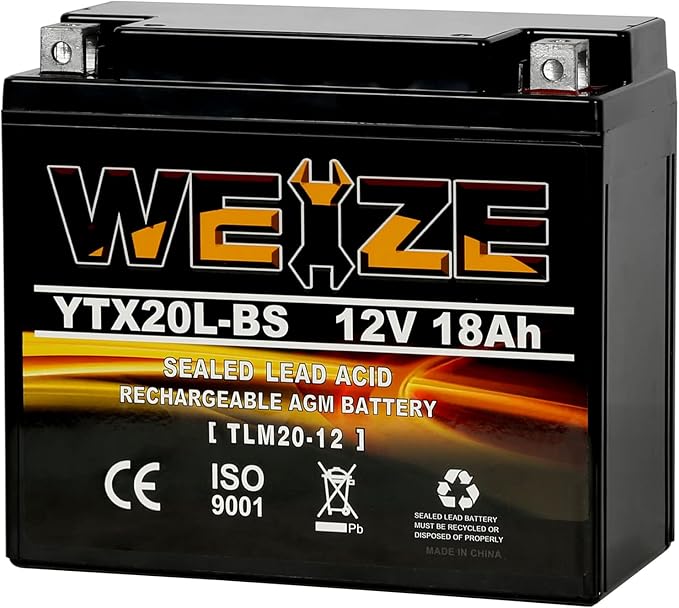
Before you spend on the winch itself, invest in the best winch battery for off-road use. A proper AGM or lithium deep-cycle battery built for high-current draws ensures your winch performs the way it was designed to, even on long, repeated pulls in difficult terrain.
Suspension and Tires Are the Next Real Spend
After recovery, suspension and tires are where the trail-ready transformation actually happens. A solid 2–3 inch lift with quality shocks and a set of all-terrain or mud-terrain tires will completely change what your truck can do — far more than any aesthetic upgrade.
This is also where financing decisions matter most. Quality suspension components from reputable brands cost more upfront but last longer and resell better. Cheap lift kits often need replacement within a year or two, which means you’ve effectively financed the same upgrade twice.
Protection: Skid Plates, Sliders, and Bumpers
Once your rig actually goes off-road, protection becomes critical. Skid plates protect your oil pan, transmission, and transfer case from rocks. Rock sliders save your rocker panels. A steel front bumper houses your winch and protects your radiator from trail debris.
These items aren’t glamorous, but they save thousands in body shop bills the first time you slide off a rock ledge.
Lighting and Comfort Come Last
Light bars, ditch lights, interior LED kits, and storage drawers are the most fun upgrades — which is exactly why they should come last. They don’t change what your truck can do; they just make the experience nicer. Finance these only when the functional build is complete.
Common Financing Mistakes Off-Road Builders Make
A few pitfalls trip up almost every first-time builder:
Stacking multiple high-interest cards. If you’re putting parts on three different store credit cards, you’ve lost track of your real interest cost. Consolidating into a single personal loan almost always saves money.
Financing depreciating extras at high APRs. A $2,000 light bar financed at 24% APR over two years costs you nearly $2,500. That same money in cash would have bought a better winch.
Ignoring insurance increases. Modified vehicles sometimes cost more to insure, especially if your insurer requires riders for aftermarket parts. Get a quote before you commit to the build.
Forgetting maintenance reserves. Bigger tires, lockers, and heavier bumpers mean more wear on drivetrain components. Budget 10–15% of your build cost as a reserve for the maintenance these upgrades create.
Building Smart: The Long Game
The best off-road builds aren’t the ones with the biggest budgets — they’re the ones built deliberately. Financing is a tool, not a strategy. Used well, it lets you spread out a quality build over time without compromise. Used poorly, it traps you in payments on parts you’ve already outgrown.
Set the budget, finance the foundation, prioritize recovery and capability before cosmetics, and your rig will reward you on every trail for years. The trucks that turn heads at the trailhead are rarely the most expensive — they’re the most thoughtfully built.
Start with a plan, finance the essentials wisely, and let the trail justify every dollar.