
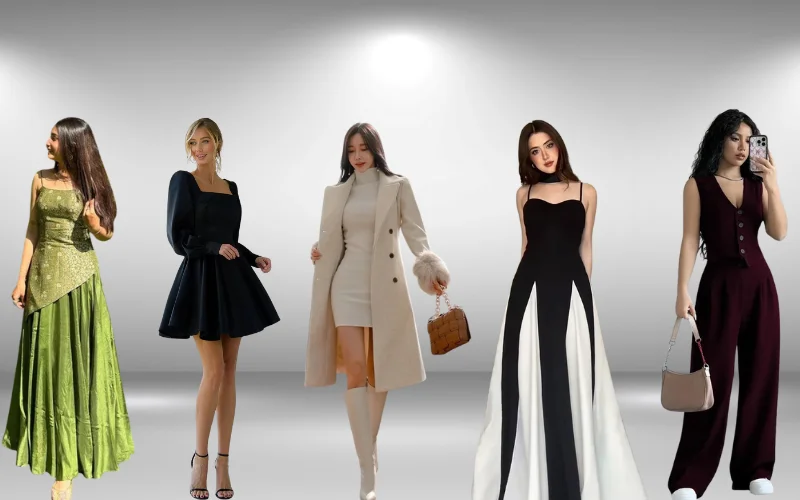
starting with basic wardrobe choices
Most people already have enough clothes, but the issue usually comes from how those pieces are used together. Buying more does not always solve the problem, and sometimes it just creates more confusion while getting dressed.
Start by looking at what you already own and identify pieces that fit well and feel comfortable. Clothes that fit properly always look better, even if they are simple and not expensive.
A well-fitted basic shirt can look more polished than something trendy but poorly fitted.
understanding color matching basics
Color matching does not need to be complicated or based on strict rules. Simple combinations often work better than trying too many colors at once.
Neutral colors like black, white, grey, and beige are easy to pair with almost anything. These colors create balance without making the outfit look too busy.
Adding one brighter color can improve the overall look without overwhelming it.
importance of clean outfit structure
Outfit structure refers to how your clothes sit and align on your body. Wrinkled or untidy clothing can reduce the overall appearance even if the items are good.
Keeping clothes clean and properly ironed makes a noticeable difference.
Small details like straight collars and neat hems help improve your overall look.
avoiding overcomplicated styling
Trying to combine too many trends or styles can make an outfit look confusing. Simple combinations often feel more natural and easier to carry.
Focus on one style direction at a time instead of mixing everything together.
A clean and simple outfit often looks more confident than an overly styled one.
understanding fabric selection importance
Fabric plays a major role in how an outfit looks and feels. Some fabrics hold shape better, while others may wrinkle quickly or look less structured.
Choosing fabrics that suit your daily routine helps maintain a neat appearance.
Cotton and blended fabrics are often easier to manage for everyday wear.
importance of proper footwear choices
Shoes can change the entire look of an outfit, even if everything else is simple. Wearing clean and appropriate footwear improves your overall presentation.
Match your shoes with the style of your outfit instead of forcing contrast.
Well-maintained shoes always create a better impression.
managing accessories in moderation
Accessories can improve your outfit, but using too many can make it look cluttered. Simple accessories often work better for everyday styling.
Choose items that match your outfit instead of standing out too much.
A watch or simple bracelet is often enough for most situations.
understanding seasonal outfit adjustments
Weather affects how your outfit looks and feels throughout the day. Dressing according to the season helps maintain comfort and style.
Light fabrics work better in warm weather, while layered outfits suit colder conditions.
Adjusting your clothing based on weather keeps your appearance practical.
importance of consistent personal style
Having a consistent style makes it easier to choose outfits daily. You do not need to follow trends constantly to look good.
Stick to styles that suit your personality and comfort level.
Consistency creates a recognizable and confident look.
avoiding unnecessary fashion pressure
There is often pressure to follow trends or wear what others are wearing. This pressure can lead to choices that do not suit you personally.
Focus on what works for your body type and comfort.
Personal comfort often leads to better style decisions.
understanding clothing maintenance basics
Proper care of clothes helps maintain their appearance over time. Washing and storing clothes correctly prevents damage and fading.
Well-maintained clothes always look better than worn-out ones.
Simple habits like folding properly can make a difference.
importance of layering techniques
Layering adds depth to your outfit without making it complicated. It also helps adjust to changing temperatures throughout the day.
Start with basic layers and add one or two additional pieces if needed.
Avoid too many layers that make the outfit look heavy.
managing outfit balance effectively
Balance in an outfit means distributing colors, patterns, and proportions evenly. Too much of one element can make the outfit look unbalanced.
Pair loose clothing with more fitted pieces for better proportion.
Balance improves the overall appearance without extra effort.
understanding everyday outfit practicality
Clothing should match your daily activities and lifestyle. Wearing something impractical can reduce comfort and confidence.
Choose outfits that allow you to move easily and stay comfortable.
Practical clothing supports better daily performance.
importance of minimal pattern use
Patterns can enhance an outfit, but too many patterns can make it look busy. Using one patterned item at a time often works best.
Pair patterns with solid colors for balance.
This approach keeps the outfit visually clean.
avoiding quick trend dependency
Trends change quickly, and relying on them constantly can become expensive and confusing. Not every trend suits every person.
Focus on timeless pieces that remain useful over time.
This helps maintain a consistent style without constant changes.
understanding grooming and presentation
Grooming plays an important role in overall appearance. Clean hair and basic hygiene improve how outfits look.
Even simple clothing looks better when paired with proper grooming.
Presentation includes both clothing and personal care.
importance of confidence in styling
Confidence affects how an outfit is perceived. Wearing something comfortably makes it look more natural.
Doubt or discomfort can make even good outfits feel less effective.
Choose clothing that makes you feel confident.
managing outfit repetition smartly
Repeating outfits is normal and practical. You do not need a new outfit every day to look good.
Changing small elements like accessories or shoes can refresh the look.
Smart repetition saves time and effort.
conclusion
Building a practical and consistent personal style becomes easier when you focus on simple choices, proper fit, and clear understanding instead of chasing trends or overcomplicating outfits. On abestoutfit.com, you can explore more straightforward and useful ideas that help you improve your everyday style without confusion. The process does not require expensive clothing or constant changes to be effective. Stay consistent, keep your approach simple, and focus on comfort and clarity. Take the next step today and start building a reliable and confident personal style that works for you every day.