
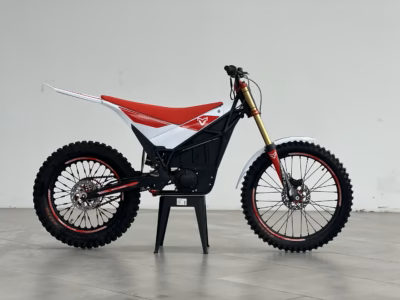
Technical trails demand more than speed. Rocks, roots, steep climbs, narrow passages, loose soil, and sudden changes in elevation can test a rider’s balance and decision-making at every turn. An Electric dirt bike can provide a distinctive experience in these environments because its responsive power delivery allows riders to make precise throttle adjustments while concentrating on terrain and body position.
However, the motorcycle itself is only one part of successful technical riding. Riders need to understand the trail, maintain control at low speeds, choose appropriate lines, and prepare the bike for the conditions ahead.
Read the Trail Before You Ride
Technical sections are easier to manage when riders assess them before committing to a line. Instead of immediately accelerating into an obstacle, look ahead and identify loose rocks, exposed roots, deep ruts, sharp turns, and possible escape routes.
Walking a particularly difficult section can sometimes reveal hazards that are difficult to see from the seat. Consider where the front wheel needs to travel and where the rear wheel is likely to follow. Planning also reduces sudden reactions. When riders already have an idea of their intended line, they can focus more on maintaining balance and making controlled inputs.
Keep Your Speed Under Control
Technical terrain rarely rewards unnecessary speed. Carrying too much momentum into a rocky or narrow section can make it harder to react when the trail changes unexpectedly. Electric motorcycles can respond quickly to throttle input, so smooth acceleration is particularly useful. Apply power gradually when traction is limited and avoid making abrupt changes that could unsettle the motorcycle.
At very low speeds, balance becomes increasingly important. Keep your eyes focused toward the intended path rather than directly at the front wheel. This helps maintain direction and gives you more time to anticipate upcoming obstacles.
Use Body Position to Your Advantage
Body position plays a major role in maintaining control on technical trails. Standing on the footpegs can allow the motorcycle to move beneath the rider while keeping the upper body relatively stable. On climbs, shifting your weight appropriately can help maintain front-wheel control without placing excessive weight on the rear. During descents, maintaining a balanced position can help prevent the motorcycle from becoming difficult to steer.
The goal is not to remain in one rigid position. Skilled trail riding involves constantly adjusting body position according to the slope, surface, and obstacle ahead.
Approach Rocks and Roots Carefully
Rocks and exposed roots can become challenging when approached at the wrong angle. Whenever possible, riders should select a line that allows the wheels to cross obstacles in a controlled manner. Avoid staring directly at an obstacle you want to avoid. Instead, look toward the route you want the motorcycle to follow. The motorcycle generally responds more naturally when the rider’s attention remains focused on the intended line.
For larger obstacles, reducing unnecessary speed and maintaining steady control can make the motorcycle easier to manage.
Handle Steep Climbs With Preparation
Steep climbs require momentum, traction, and careful throttle management. Before starting, assess whether the surface is firm, loose, wet, or covered with rocks. Choose an appropriate line and begin the climb with enough controlled momentum to avoid struggling halfway up. If the rear wheel begins to spin, aggressive throttle application may make the situation worse. A smoother input can sometimes help the tire regain usable traction.
Riders should also know when to stop. Attempting a climb beyond their current skill level can turn a manageable challenge into a recovery situation.
Consider the Motorcycle Setup
Technical riding places additional demands on suspension, tires, brakes, and controls. Before heading onto difficult terrain, inspect these components and make sure they are functioning properly. Riders exploring Surron models and similar electric motorcycles should also consider whether their setup matches the type of technical riding they intend to do. Tire condition, suspension settings, and protective equipment can all influence how confidently a motorcycle handles challenging sections.
There is no need to modify everything at once. Start with the areas that directly affect control and reliability, then make changes based on actual riding experience.
Know When to Turn Around
Good technical riding is not about conquering every obstacle. Trail conditions can change because of rain, erosion, fallen branches, or other environmental factors. If a section looks beyond your current ability, turning around or finding an easier route is a sensible decision. Riding with others can also provide an additional layer of support if someone encounters difficulty.
Experience comes from gradually increasing the difficulty of the terrain rather than repeatedly taking unnecessary risks.
Conclusion
Technical trails reward patience, preparation, and precise control. Riders who study the terrain, manage speed, use effective body positioning, and choose sensible lines can make difficult sections more manageable.
An electric motorcycle can offer responsive control in technical environments, but good riding technique remains essential. By gradually developing skills and learning how the motorcycle responds to different surfaces, riders can approach challenging trails with greater confidence while keeping the focus on control and enjoyment.