
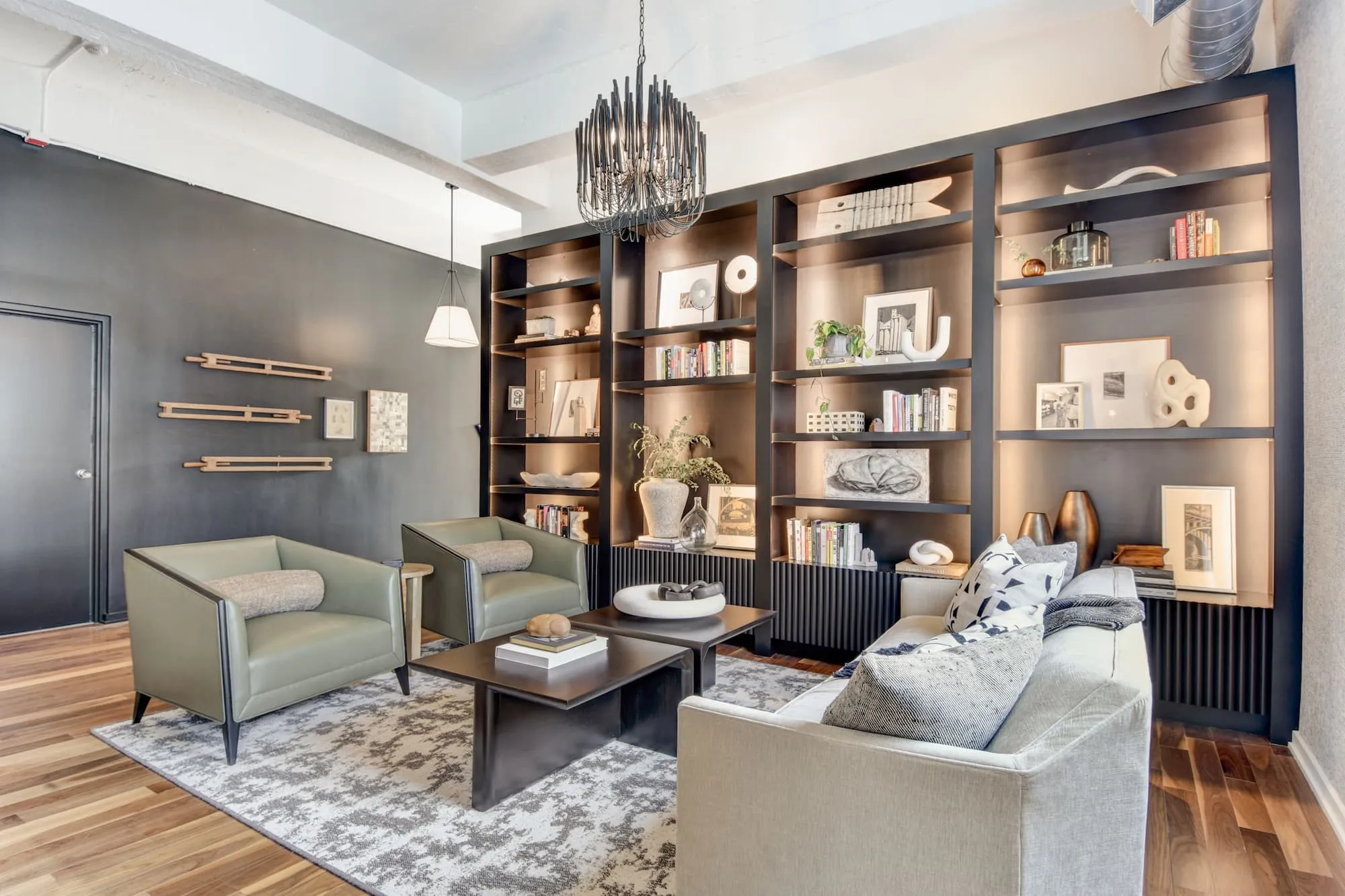
Smart Home Renovation is no longer a concept reserved for science fiction movies or high-budget luxury estates; it is the new standard for modern living. When you walk through your front door after a grueling day at the office, the environment should immediately respond to your presence. The lights might soften to a warm amber glow while your favorite playlist begins to stream softly from hidden speakers. This seamless integration of technology and architecture is the ultimate goal of any modern home improvement project.
Many homeowners embark on a renovation with the intention of just updating the aesthetics of their kitchen or bathroom. However, they soon realize that without a digital strategy, they are essentially building a home for the past. Incorporating smart technology during the construction phase is significantly easier and more cost-effective than trying to retro-fit it later. It allows you to hide the “brains” of your home behind the drywall where they belong.
I remember helping a friend named David who was gutting his 1950s ranch-style house in the suburbs. He was initially hesitant about the cost of adding automation, thinking it was just about fancy light bulbs. We sat down and looked at the long-term energy savings and the increased security that come with a connected home. By the time the project was finished, his house was not only more beautiful but was also saving him thirty percent on his monthly cooling bills.
A truly successful Smart Home Renovation starts with the bones of the building, which in this case, means your network infrastructure. Most people think a standard router from their internet provider is enough, but a smart home requires much more. You are essentially building a small corporate network that needs to handle dozens of simultaneous connections. From your smart fridge to your security cameras, everything needs a stable and high-speed bridge to the internet.
The Invisible Infrastructure of a Smart Home Renovation
Before the first coat of paint goes on the walls, you need to think about the wiring that will support your devices. Even though we live in a wireless world, the most reliable smart homes are built on a backbone of high-quality data cables. Running Cat6 or Cat6a cables to every room ensures that high-bandwidth devices like televisions and desktop computers don’t clog up your Wi-Fi. This leaves the airwaves clear for smaller devices like smart switches and environmental sensors to function without interference.
During the early stages of your Smart Home Renovation, you should also consider where your central “hub” will live. This is usually a ventilated closet or a dedicated cabinet where your router, network switches, and automation controllers are housed. Keeping this equipment in a central, cool location prevents overheating and makes it much easier to perform maintenance or upgrades. It also keeps the messy nests of wires out of sight, maintaining the clean aesthetic of your newly renovated rooms.
Power is another critical infrastructure component that many people overlook until it is too late. Smart shades, built-in tablets, and high-end security cameras often require power in locations where you wouldn’t typically find an outlet. Planning for these power needs during the “rough-in” phase of construction saves you from having to use unsightly extension cords or battery-powered devices that require constant recharging. A hard-wired home is a reliable home, and reliability is the foundation of a good user experience.
If you are working with an older property, you might find that the electrical panel needs an upgrade to handle the new load. Smart appliances and sophisticated climate control systems can put a significant strain on an outdated electrical system. Consulting with a qualified electrician who understands home automation is a vital step in the planning process. This ensures that your home is not only smart but is also safe and compliant with modern building codes.
Maximizing Efficiency and Comfort Through Smart Home Renovation
Climate control is perhaps the area where technology can make the most immediate impact on your daily comfort and your wallet. Traditional thermostats are blunt instruments that heat or cool the entire house based on the temperature in one hallway. A smart HVAC system uses sensors in every room to understand where the hot and cold spots are. It can then adjust individual vents and fans to ensure that the room you are actually using is perfectly comfortable.
Lighting is the next frontier in creating an intelligent environment that enhances your well-being. Modern smart lighting systems can mimic the natural cycle of the sun, known as circadian lighting. In the morning, the lights can have a blueish tint to help wake you up and increase your focus. As the evening approaches, they transition to a warmer, reddish hue that signals to your brain that it is time to wind down and prepare for sleep.
This level of detail in a Smart Home Renovation turns a house into a partner in your health. Imagine your window shades automatically closing during the hottest part of the summer day to keep the house cool. Then, in the winter, they open to let the natural sunlight heat your floors. These are the small, automated decisions that lead to a significant reduction in energy waste over the course of a year.
Water management is an often-overlooked but incredibly valuable part of the automation puzzle. Smart leak detectors placed under sinks and near water heaters can alert you to a problem before it becomes a disaster. Some systems can even automatically shut off the main water valve if a burst pipe is detected. Given the high cost of water damage repairs, these small sensors often pay for themselves the very first time they are triggered.
The Role of Security and Privacy in a Modern Remodel
Security is usually the first reason people start looking into smart technology for their homes. A modern security system is much more than just a loud siren and a keypad by the front door. It involves high-definition cameras with person-detection capabilities, smart locks that can be controlled from anywhere in the world, and video doorbells that allow you to interact with visitors even when you are miles away. This creates a “ring of protection” around your property that provides immense peace of mind.
However, as we add more cameras and microphones to our living spaces, privacy becomes a paramount concern. When you are planning your Smart Home Renovation, you must choose your ecosystem wisely. Look for companies that prioritize local processing of data rather than sending everything to the cloud. This means your video feeds and voice commands stay inside your own four walls, making them much more difficult for hackers to access.
Building a secure network is also a sign of a responsible homeowner. This involves setting up separate networks for your guests and your smart devices so that a vulnerability in one doesn’t expose your personal computers. Using strong, unique passwords for every device and keeping your software updated are basic but essential habits. A smart home is only as secure as the person who manages it, and taking the time to learn the basics of digital security is part of the job.
Trustworthy automation systems also provide clear logs of who accessed the house and when. If you have a dog walker or a cleaning service, you can give them their own temporary access codes that only work during specific hours. This eliminates the need to hide a physical key under a doormat, which is one of the oldest security risks in the book. You can see in real-time on your phone when they arrive and when they leave, giving you total control over your domain.
The Importance of Professional Expertise and Authority
While many smart devices are marketed as “plug and play,” creating a cohesive system that actually works together requires a high level of expertise. It is one thing to have a smart light bulb; it is another thing entirely to have that bulb talk to your security system and your thermostat simultaneously. This is why many people choose to work with a professional home automation integrator during their renovation process. These specialists understand the “language” of different devices and can ensure they all play nicely together.
An integrator can also help you navigate the confusing world of different protocols like Zigbee, Z-Wave, and the new Matter standard. They can advise you on which products are built to last and which are likely to become “bricks” in a few years. This professional guidance ensures that you are spending your budget on technology that provides real value. It prevents you from falling into the trap of buying “gadgets” that are fun for a week but eventually become a source of frustration.
Building authority in your own home management also means understanding the maintenance required for these systems. Just like a car needs an oil change, a smart home needs periodic software updates and battery replacements for sensors. A professional can set up a maintenance schedule for you or even monitor your system remotely to fix problems before you even notice them. This proactive approach is what separates a high-end automated home from a DIY project that is always slightly broken.
Experience has shown that the best renovations are the ones where the technology is invisible. You shouldn’t have to open six different apps just to turn on the TV and dim the lights. A professional can program “scenes” that do multiple things with a single button press or a voice command. This simplicity is the ultimate sign of expertise in the field of home automation. The goal is to make the technology serve the human, not the other way around.
Budgeting and Phasing Your High-Tech Upgrades
One of the biggest hurdles to a full Smart Home Renovation is the perceived cost. It is true that high-end automation can be expensive, but it doesn’t all have to be done at once. The key is to get the infrastructure right from the beginning. If you have the wires in the walls and a strong Wi-Fi network, you can add the actual devices over time as your budget allows. This “phased approach” makes the project much more manageable for the average family.
Start with the areas that provide the most immediate benefit, such as lighting and climate control. These are the things you interact with every single day, and the energy savings will help offset the cost of future upgrades. Once those systems are in place, you can move on to things like multi-room audio, smart shades, or a dedicated home theater. By spreading the cost over a year or two, you can eventually achieve a fully automated home without a massive up-front investment.
It is also important to consider the resale value of your home when budgeting for technology. Modern buyers, especially younger ones, are increasingly looking for homes that are already equipped with smart features. A house that is “smart-ready” is much more attractive than one that will require a major overhaul just to add a smart doorbell. In many markets, you can expect to see a significant return on your investment when it comes time to sell.
However, you should avoid over-customizing your system to the point that it is difficult for someone else to use. Stick to well-known brands and standard protocols that are widely supported. A system that requires a degree in computer science just to turn on the lights will actually decrease the value of your home. The best smart homes are intuitive enough that a guest could walk in and figure out the basics in a matter of seconds.
Future-Proofing Your Space for the Next Decade
The world of technology moves incredibly fast, and what is cutting-edge today might be obsolete in five years. This is why future-proofing is a vital part of the Smart Home Renovation process. One of the best ways to do this is to support the new Matter standard, which is a collaborative effort by major companies like Apple, Google, and Amazon to make smart home devices more compatible and easier to set up. By choosing Matter-compatible devices, you ensure that your home will remain functional even as technology continues to evolve.
Modular systems are another great way to ensure longevity. Instead of buying a “smart appliance” where the technology is built-in and unchangeable, consider using smart plugs or controllers that can be easily replaced. This allows you to upgrade the “smart” part of the device without having to replace the entire washing machine or refrigerator. It is a much more sustainable and cost-effective way to keep your home current.
Staying informed about emerging trends is also a part of the process for any high-tech homeowner. We are seeing a move toward more “ambient” computing, where the house uses sensors and AI to anticipate your needs without you having to say a word. This “proactive” automation is the next big step in the evolution of the smart home. By choosing a system that is flexible and open, you will be ready to take advantage of these new features as they become available.
Remember that the ultimate goal of a home is to be a sanctuary for the people who live in it. Technology should be a tool that enhances your life, not something that adds more stress. By focusing on reliability, simplicity, and privacy, you can create a home that is truly intelligent. It is an exciting journey to undertake, and with the right planning and expertise, you can build a space that will serve you and your family for many years to come.
Your home is likely your biggest investment, and treating it with the care it deserves means looking toward the future. A renovation is the perfect time to rethink how your space works for you on a fundamental level. Whether you are looking for more security, better energy efficiency, or just a little bit more convenience, smart technology has the answer. Start with a solid plan, work with the right professionals, and don’t be afraid to dream big about what your home could be.
As you move through the renovation process, keep your eyes on the finish line. There will be challenges and unexpected hurdles, just like in any construction project. But the first time you walk into your home and it responds perfectly to your needs, you will know that all the effort was worth it. You are building more than just a house; you are building a modern, intelligent environment that will support your lifestyle in ways you never thought possible.
The digital transformation of our homes is an inevitable shift, and by embracing it now, you are putting yourself ahead of the curve. You are creating a space that is not only beautiful but is also functional, efficient, and secure. This is the true power of a modern remodel. It is a commitment to quality and a celebration of the incredible possibilities that technology brings to our daily lives. Good luck with your project, and may your new smart home be everything you hoped it would be.