
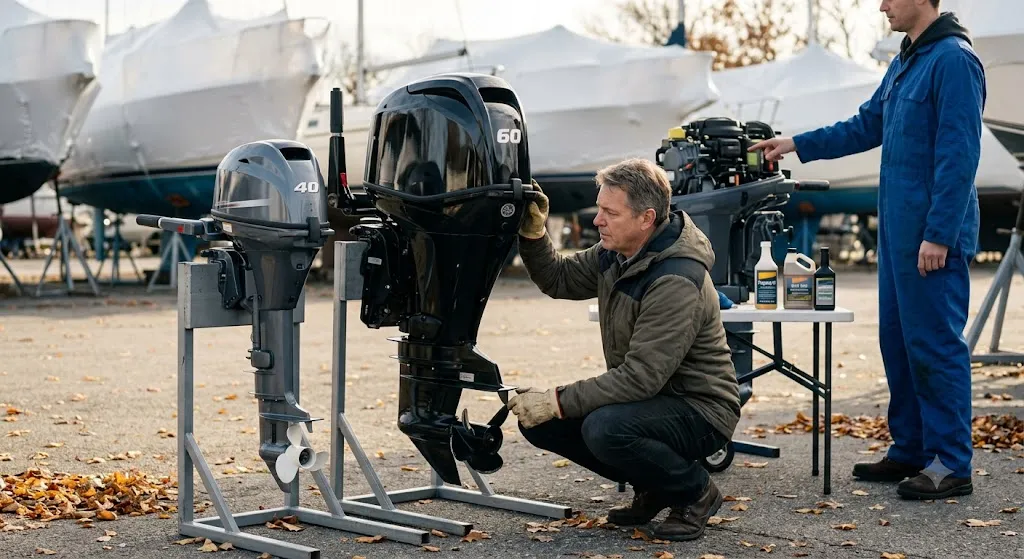
Not every boat stays in regular use throughout the year. In colder regions, many owners have a short boating season followed by several months of storage. That pattern changes what matters when selecting an outboard motor.
A seasonal owner should think about more than performance on the water. Storage preparation, restart reliability, corrosion prevention, battery care, servicing, and fuel-system protection can all affect how convenient an engine is to own from one season to the next.
Seasonal Use Changes Priorities
A motor that runs every weekend throughout the year experiences a very different ownership cycle from one that sits unused for several months.
For seasonal boaters, ease of storage and dependable restarting can be just as important as acceleration or cruising speed. The engine needs to cope well with long inactive periods when properly prepared.
Storage Planning Starts Early
Storage should not begin on the final boating day with no preparation. Owners benefit from understanding the recommended procedure before the season ends.
This may involve fuel treatment, cleaning, battery care, fluid checks, and other steps suggested for the specific engine. Good preparation reduces the chance of unpleasant surprises when boating resumes.
Fuel Systems Need Attention
Fuel can create problems when a boat sits unused for long periods. Old or untreated fuel may affect starting and engine performance after storage.
That makes fuel-system care an important part of ownership. Seasonal users should understand how the chosen engine should be prepared and what steps are recommended before the first trip of the new season.
Access to Suitable Options Matters
Seasonal boating often encourages buyers to think more carefully about long-term convenience. Browsing Outboard Motors for Sale becomes more useful when the shortlist is based on storage habits, service requirements, boat size, and intended use rather than horsepower alone.
An engine that is simple to maintain between seasons may offer more practical value than one chosen mainly for features that are rarely used.
Battery Care Is Easy to Overlook
Many modern outboards rely heavily on electrical systems. A neglected battery can turn the first day of the season into a frustrating one.
Owners should consider how the battery will be maintained during storage. Charging, inspection, and proper disconnection where appropriate can help preserve reliable starting performance.
Corrosion Can Continue During Storage
Boat owners sometimes assume corrosion stops when the boat is out of the water. In reality, moisture and leftover salt can continue causing problems.
Thorough cleaning before storage is especially important for engines used in coastal areas. Exposed components should be inspected so small issues can be addressed before months of inactivity.
Service Timing Makes a Difference
Seasonal owners have more flexibility in deciding when routine servicing takes place. Some prefer to service the motor before storage, while others schedule work shortly before the new season begins.
The important point is consistency. Maintenance should follow the manufacturer’s recommendations rather than being delayed simply because the boat is not being used.
Think About Spring Restarting
The first start after several months can reveal whether storage preparation was handled properly. A motor should be inspected before being taken straight onto the water.
Owners may need to check battery condition, fuel quality, cooling-system performance, controls, and visible components. A short inspection can prevent a minor issue from interrupting the first trip.
Brand Choice Is Only One Part
Some seasonal boaters may eventually narrow their search to a Mercury Outboard based on available models, local servicing, or compatibility with the boat.
The final decision should still consider storage requirements, maintenance access, engine weight, controls, and how frequently the vessel will actually be used.
Usage Hours Still Matter
A boat used only a few months each year may accumulate fewer operating hours, but that does not remove the need for regular care.
Age, environment, and long periods of inactivity can affect components differently from constant use. Seasonal owners should therefore balance hour-based maintenance with time-based inspection and servicing.
Prepare the Boat as a System
The outboard is only one part of seasonal preparation. Fuel tanks, batteries, controls, steering components, and the hull itself also need attention.
Treating the boat as a complete system makes storage more effective. It also reduces the risk that a perfectly healthy motor is let down by another neglected component.
Conclusion
Seasonal boating creates a different ownership pattern from year-round use. Storage, fuel management, battery care, corrosion prevention, service timing, and restart preparation all become especially important.
An outboard that fits this routine can make the boating season easier to enjoy and the off-season easier to manage. Choosing with storage and long-term care in mind helps reduce downtime and makes each return to the water more predictable.