
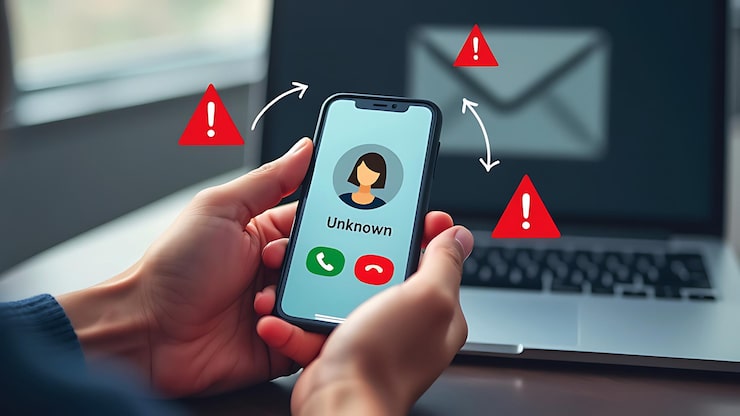
02088366001 is the kind of number that can turn an ordinary day into a stressful moment—especially when the person on the other end sounds confident, urgent, and “official.” If you’ve received a call from this number and something felt off, trust that instinct. Impersonation fraud calls are designed to make smart people panic, comply quickly, and regret it later.
These scams are growing because they work. Not because people are careless, but because the scammers know exactly how to press emotional buttons: fear, urgency, authority, and confusion. They may claim they’re calling from a bank, the police, a delivery company, HMRC, or even a mobile network provider. Their goal is almost always the same—get your personal details, your money, or access to your accounts.
This guide breaks down what a call from 02088366001 may involve, how impersonation fraud works in real life, and what you should do immediately if you’ve answered, shared information, or made a payment.
Why Calls Like 02088366001 Feel So “Real”
Impersonation scams aren’t random. They’re carefully scripted. The caller often sounds calm, professional, and prepared. They may already know your name or partial details, which instantly makes the call feel legitimate.
A common tactic is to start with a believable reason for calling, such as “suspicious activity detected,” “your account is at risk,” or “a payment was attempted.” You might even hear background office noise to make it sound like a call center.
The most dangerous part is that the scammer doesn’t need to be aggressive. Many of them are polite and helpful. They behave like a customer support agent who is “trying to protect you,” while quietly steering you toward a trap.
That’s why so many people fall for it—because the call feels like a rescue, not a scam.
02088366001 Impersonation Fraud Call: Common Scripts Scammers Use
A call from 02088366001 may follow several well-known impersonation fraud patterns. Even if the details change, the structure usually stays the same: create urgency, create authority, demand action.
One common script is the “bank security team” approach. The caller claims your account has been compromised and asks you to “verify” information. They might request your full name, address, date of birth, or even one-time passcodes.
Another script is the “police investigation” story. The scammer may say your identity has been used in a crime or your bank account is linked to fraud. They might claim they need your cooperation immediately to “avoid arrest” or “secure your funds.”
Then there’s the “delivery issue” scam, where they claim a package is stuck and you need to confirm details or pay a small fee. The small fee is just the beginning—the real target is your card details.
The most manipulative version is when they try to make you feel guilty or foolish for questioning them. They might say things like, “I’m trying to help you, but you’re not cooperating,” or “If you don’t act now, we can’t stop the transfer.”
That pressure is a weapon.
The Real-Life Moment People Realize It’s a Scam
Here’s a scenario that happens more often than you’d think.
You’re busy. Maybe you’re working, driving, or cooking. Your phone rings. It’s a London-style number. You answer. The person introduces themselves as “Fraud Prevention” and says there’s been a suspicious transaction.
They tell you not to worry, because they can block it. But first, they need to confirm your identity.
At this point, you’re not thinking about scams. You’re thinking: “Oh no—someone is taking my money.”
Then the caller says something like, “We’ve sent a security code to your phone. Read it to me so I can cancel the payment.”
That code is not for cancelling anything. It’s usually a login or transfer authorization code. The moment you share it, you may be giving them access.
And when you finally hang up, you might feel shaky and confused. You start replaying the call in your head. The tone. The urgency. The pressure.
That’s when it hits: “Wait… was that real?”
The Biggest Red Flags to Watch For
Impersonation fraud calls have patterns. Once you know them, you can spot them faster—even when the caller sounds convincing.
One of the clearest red flags is urgency. They don’t want you to think. They want you to act. Scammers often say the situation is happening “right now” and you have “minutes” to respond.
Another red flag is secrecy. They may tell you not to speak to anyone, not even your bank, because it’s “an active investigation.” That’s not how real fraud teams operate.
Also watch for requests involving passwords, PINs, or one-time passcodes. Legitimate organizations do not need your OTP read aloud to “secure” your account.
A major warning sign is when they try to keep you on the phone while you do something else—like opening your banking app, transferring money, or installing an app. They want to control the moment and prevent you from checking facts.
Even if the number looks normal, the behavior is what matters.
How Scammers Use Caller ID Tricks (And Why It’s So Confusing)
A lot of people assume: “If it’s a real-looking number, it must be genuine.”
Unfortunately, scammers can manipulate caller ID. This technique is often called spoofing. It means the number shown on your screen may not be the true number they’re calling from.
So even if the call appears to come from 02088366001, that doesn’t automatically confirm who the caller really is. It only confirms what your phone displayed.
This is why you should never rely on the number alone. Instead, focus on what the caller asks you to do.
A real bank won’t pressure you to transfer money to “safe accounts.” A real police officer won’t demand your banking actions over the phone. A real company won’t threaten you for taking time to verify.
What To Do Immediately If You Answered 02088366001
If you picked up a call and later felt unsure, don’t panic. Acting quickly is what matters.
First, end the call. You don’t need to argue or explain. Hanging up is a safe choice.
Second, don’t call back using the same number from your call log. If the caller was spoofing, calling back may not help, and it can sometimes keep you stuck in the scam cycle.
Third, if the caller claimed to be from your bank, contact your bank using the official number from their website or your bank card. Tell them you received a suspicious call and you want to confirm if your account is safe.
If you shared any personal details, treat it as a risk. Even partial information can be used later for identity fraud or more targeted scams.
And if you were asked to install any app, remove it immediately and run a security scan. Some scammers use remote access tools to watch your screen or control your device.
If You Shared a Code or Password, Act Fast
One-time passcodes are powerful. They’re designed to protect you, but in the wrong hands, they become a key.
If you gave the caller any code, you should assume your account may already be compromised.
Change your passwords immediately—especially for your email and banking apps. Email security is critical because password resets often go through email. If scammers gain access to your email, they can reset multiple accounts.
Then contact your bank’s fraud team right away. Ask them to review recent logins and transactions and to place additional security on your account.
It can feel embarrassing, but remember: scammers are professionals at manipulation. The faster you act, the better the outcome.
02088366001 and the “Safe Account” Trap
One of the most damaging impersonation fraud techniques is the “safe account” lie.
The caller claims your account is under attack. Then they say the solution is to move your money to a protected holding account. They may even use official-sounding terms like “secure vault” or “temporary protection account.”
This is not protection. It’s theft.
If you transfer money, you’re sending it directly to a scammer-controlled account. And because you initiated the transfer yourself, it can be harder to reverse.
If anyone on the phone tells you to move money to keep it safe, that’s an immediate stop sign. Real banks don’t work like that.
Why These Scams Target Smart, Busy People
There’s a myth that only vulnerable people get scammed. That’s not true.
Impersonation fraud targets people who are busy, distracted, or responsible. People who manage bills, handle family finances, run businesses, or make quick decisions.
Scammers also exploit natural human instincts: trust in authority and fear of loss. When someone claims your money is being stolen, your brain goes into protection mode.
That’s why they keep you on the line. That’s why they use urgency. They’re trying to prevent the moment where you pause, breathe, and verify.
This isn’t about intelligence. It’s about psychology.
How to Verify a Caller Safely Without Getting Tricked
Verification is simple when you do it on your terms, not theirs.
If someone claims to be from your bank, tell them you’ll hang up and call back using the official number from the bank’s website or the back of your card.
If they argue, pressure you, or threaten consequences, that’s a major warning sign.
Never use a phone number the caller provides. Never click links sent during the call. And never trust “verification steps” that involve sharing codes or moving money.
Even if the caller knows your details, you still control the decision to verify independently.
What If You Didn’t Share Anything? Are You Still at Risk?
If you answered but didn’t share personal info, you’re likely okay. But it’s still a good idea to stay alert.
Scammers may mark your number as “active,” meaning they might try again with a different script. Sometimes they’ll call back pretending to be another department, another company, or even a “fraud investigator” warning you about the first scam.
This is why blocking the number and staying cautious matters.
Also, keep an eye on suspicious emails or texts after the call. Some scams combine phone calls with messages to increase believability.
How to Protect Yourself from Future Impersonation Fraud Calls
The best protection is a mix of awareness and habits.
Start by using call screening features on your phone. Many devices can label suspected spam or allow you to silence unknown callers. This reduces the chance you answer during a busy moment.
Avoid sharing personal details over incoming calls. Even if the caller sounds legitimate, you can always hang up and contact the organization yourself.
Keep your banking apps and phone software updated. Security patches matter more than people realize.
Also consider using strong, unique passwords and enabling multi-factor authentication. Just remember: multi-factor only helps if you never share the code with anyone.
Most importantly, give yourself permission to pause. Scammers win when you rush.
If a Family Member Got a Call Like This, Here’s How to Help
If someone you care about received a suspicious call, your reaction matters.
Avoid blaming them. Shame makes people hide details, and hiding details slows down action.
Instead, ask calmly what the caller said and what information was shared. Then help them contact the bank using official contact details.
If money was transferred, report it immediately. Speed increases the chance of stopping the transaction.
If personal details were shared, monitor accounts for unusual activity and consider changing passwords and securing email accounts.
A supportive approach is more effective than a lecture.
Reporting a Suspicious Call Helps Others Too
Even if you didn’t lose money, reporting scam calls can reduce harm for others.
When you report, you create a trail that helps telecom providers, banks, and fraud agencies identify patterns. Many scam operations reuse scripts and rotate numbers, but reports still build intelligence.
You can also warn friends or family members so they recognize similar tactics.
Scams spread quietly. Awareness spreads faster when people talk about it.
Final Reminder: Trust the Feeling That Something Was “Off”
When a call from 02088366001 leaves you uneasy, that feeling is valuable. Scammers rely on you ignoring your instincts.
You never need to stay on a call that pressures you. You never need to prove yourself to a stranger. And you never need to move money “for safety” because someone demanded it.
Your safest move is simple: hang up, verify independently, and protect your accounts calmly and quickly.